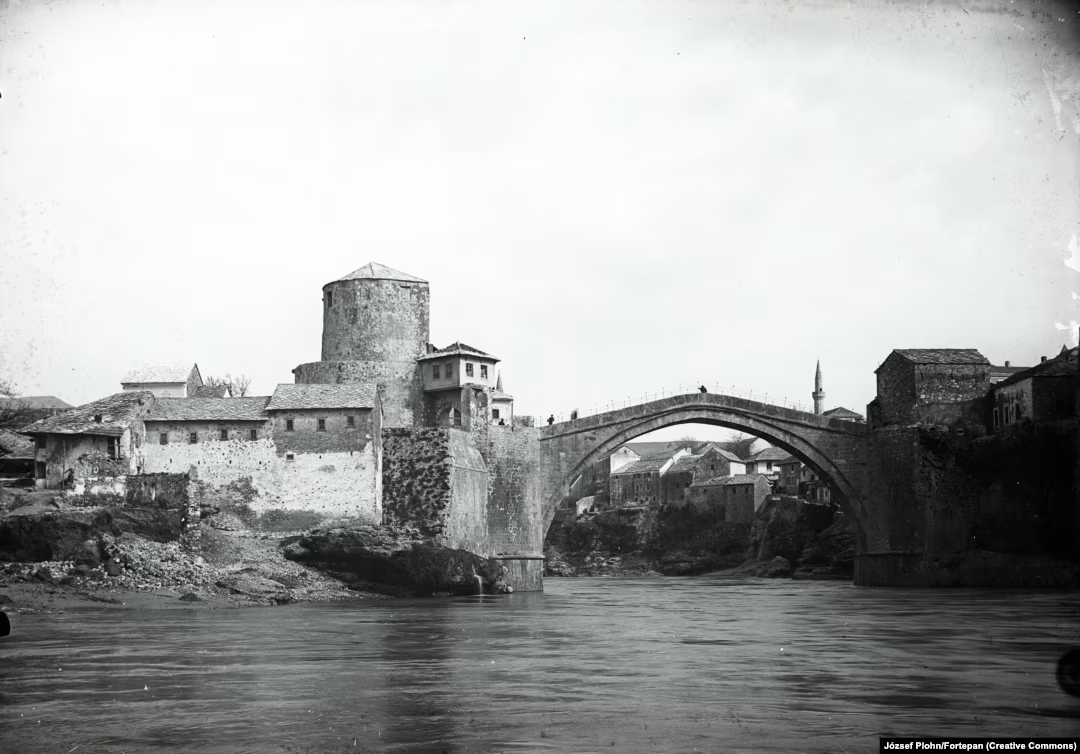
he Old Bridge (Stari Most) in Mostar, Bosnia and Herzegovina, is a 16th-century Ottoman masterpiece and UNESCO World Heritage Site. Spanning the turquoise Neretva River, this iconic hump-backed bridge is a symbol of resilience, multiculturalism, and architectural brilliance. Whether you’re a history enthusiast, a cultural traveler, or an adventure seeker, this guide provides everything you need to plan a memorable visit to Stari Most.
Getting to Mostar
By Air
The closest airport is Mostar International Airport (OMO), about 8 km from the city center, but it has limited international flights, mainly seasonal routes from Europe. For better connectivity, fly into Sarajevo International Airport (SJJ), 127 km away (2-2.5 hours by car), or Dubrovnik Airport (DBV) in Croatia, 140 km away (2.5-3 hours, including border crossing). From Sarajevo, Wizz Air, Ryanair, or Turkish Airlines offer affordable flights. From Dubrovnik, expect a scenic coastal drive but plan for border delays.
By Bus or Train
Mostar is well-connected by bus from Sarajevo (2.5 hours, ~€10-15) or Dubrovnik (3-4 hours, ~€20-25). Companies like FlixBus and Globtour operate daily routes. Trains from Sarajevo are slower (3 hours, ~€7-10) but offer stunning views of the Neretva Valley. Book tickets online via BH Train or at bus terminals. Mostar’s main bus and train stations are a 15-minute walk or €3 taxi ride to Stari Most.
By Car
Renting a car from Sarajevo or Dubrovnik gives flexibility to explore the Herzegovina region. The M17 road from Sarajevo is straightforward, with toll-free highways. From Dubrovnik, take the D8 and M6, but carry your passport for the Bosnia-Croatia border. Parking near the Old Bridge is limited; use Parking Lot Stari Most (5-10 BAM/day, ~€2.5-5) or lots near Tabacica Mosque.
When to Visit
Mostar is a year-round destination, but spring (April-May) and autumn (September-October) offer mild weather (15-25°C) and fewer crowds. Summer (June-August) is vibrant, with diving competitions, but temperatures hit 30-35°C, and the cobblestone streets get packed. Winter (December-February) is quiet, with cooler weather (0-10°C), but the bridge’s limestone glows against snowy backdrops. Aim for weekdays to avoid weekend tourist buses from Dubrovnik.
Exploring the Old Bridge and Surrounding Area
The Old Bridge (Stari Most)
Stari Most, rebuilt in 2004 after its 1993 destruction during the Bosnian War, is a pedestrian-only bridge, free to cross. Walk its 29-meter-long, 4-meter-wide arch, 24 meters above the Neretva River, for panoramic views. The slippery limestone requires sturdy shoes, especially after rain. Visit early (7-9 AM) for photos without crowds. The bridge’s Ottoman design, crafted by Mimar Hayruddin in 1566, showcases a single arch, a marvel of 16th-century engineering.
Old Bridge Area
The UNESCO-designated Old Bridge Area includes cobblestone streets, historic mosques, and the Kujundžiluk Bazaar. Key sites:
- Koski Mehmed Pasha Mosque (€4 entry, ~5-minute walk): Climb the minaret for bridge views.
- Tabacica Mosque (free, 2-minute walk): A serene Ottoman-era mosque.
- Crooked Bridge (Kriva Ćuprija) (free, 5-minute walk): A miniature Stari Most, perfect for photos.
- Old Bazaar: Browse handmade copperware, scarves, and souvenirs. Bargaining is common; expect to pay 10-20 BAM (€5-10) for small items.
Spend 2-3 hours exploring. Guided walking tours (~€15-20) via Viator or local agencies like Mostar Travel provide historical context, covering the bridge’s Ottoman roots and war-time destruction.
Diving Tradition
The Mostar diving tradition, dating back centuries, sees divers leap from Stari Most’s 24-meter height into the chilly Neretva (10-15°C). Watch local divers from the Mostar Diving Club perform daily in summer, often collecting tips (5-10 BAM) from spectators. The annual Mostar Bridge Diving Competition (late July) and Red Bull Cliff Diving World Series draw crowds. For safety, only trained divers participate—tourists can’t jump without certification. View from the riverbank or nearby cafés like Café de Alma.
Where to Stay
Mostar offers accommodations for all budgets near Stari Most:
- Budget: Hostel Majdas (10-minute walk, €10-15/night) offers dorms and local charm.
- Mid-range: Hotel Kriva Ćuprija (2-minute walk, €40-60/night) has boutique rooms in a historic setting.
- Luxury: Hotel Mepas (15-minute walk, €80-120/night) features modern amenities and river views.
Book via Booking.com or Airbnb 2-3 months in advance for summer. Most lodgings are within a 10-15 minute walk of the bridge, ensuring easy access.
Where to Eat
Mostar’s cuisine blends Bosnian, Ottoman, and Mediterranean flavors. Near Stari Most:
- Restoran Hindin Han (5-minute walk, €8-15): Try ćevapi (grilled minced meat) or burek (phyllo pastry with meat or cheese). Riverside seating offers bridge views.
- Urban Grill (3-minute walk, €6-12): Affordable pljeskavica (Bosnian burger) and vegetarian options.
- Tima-Irma (5-minute walk, €5-10): Famous for grilled meats and klepe (Bosnian dumplings).
- Café de Alma (2-minute walk, €2-5): Sample Bosnian coffee served traditionally with sugar cubes and lokum.
Most restaurants accept euros and Bosnian Marks (BAM). Tipping 5-10% is appreciated. For dietary restrictions, confirm with staff, as vegetarian and vegan options are limited but growing.
Practical Tips
Currency and Costs
Bosnia uses the Convertible Mark (BAM), pegged to the euro (1 EUR ≈ 1.95 BAM). Euros are widely accepted, but change is often in BAM. A day in Mostar, including meals, entry fees, and transport, costs €30-50 per person. ATMs are plentiful; cards are accepted in most restaurants and hotels but not always in the bazaar.
Language
Bosnian, Croatian, and Serbian are official languages, but English is widely spoken in tourist areas. Learn basic phrases like “Hvala” (thank you) or “Dobar dan” (good day) to connect with locals.
Safety
Mostar is safe, but watch for pickpockets in crowded areas like the bazaar. The bridge’s slippery surface requires caution. Avoid discussing the Bosnian War unless locals initiate, as it remains sensitive.
Accessibility
The Old Bridge has steep inclines and no ramps, making it challenging for wheelchair users. The surrounding cobblestone streets are uneven. Contact Mostar Tourism for accessible tour options.
Weather and Packing
Pack comfortable walking shoes, a hat, and sunscreen for summer. Bring a light jacket for spring/autumn evenings. A reusable water bottle saves money (tap water is safe). For photography, a wide-angle lens captures the bridge’s full arch.
Nearby Attractions
Extend your visit with these sites, all within 1-2 hours:
- Blagaj Tekija (12 km, 20-minute drive, €3 entry): A 16th-century Dervish monastery by a turquoise spring.
- Počitelj (30 km, 30-minute drive, free): A fortified Ottoman village with stone towers.
- Kravica Waterfalls (40 km, 45-minute drive, €5 entry): Swim in cascading pools surrounded by greenery.
Cultural Etiquette
Respect Mostar’s multicultural heritage. Dress modestly when visiting mosques (cover shoulders and knees; women may need headscarves). Ask permission before photographing locals, especially divers. Support local artisans by buying authentic crafts, not mass-produced souvenirs.
Sample Itinerary
Day 1:
- Morning: Arrive in Mostar, walk Stari Most, visit Koski Mehmed Pasha Mosque.
- Afternoon: Explore Kujundžiluk Bazaar, lunch at Hindin Han.
- Evening: Watch divers, enjoy coffee at Café de Alma, dinner at Tima-Irma.
Day 2:
- Morning: Day trip to Blagaj Tekija and Počitelj.
- Afternoon: Visit Kravica Waterfalls, return to Mostar.
- Evening: Sunset photos of Stari Most, dinner at Urban Grill.
Final Thoughts
Visiting Stari Most is a journey through history, resilience, and beauty. From its Ottoman origins to its rebirth after the Bosnian War, the bridge tells a story of unity. Plan for 1-2 days to soak in its charm, savor Bosnian cuisine, and explore the Herzegovina region. With this guide, you’re ready to experience one of Europe’s most captivating landmarks.